

The Nd:YAG Q-switch laser machine has emerged as a powerful tool in various industrial applications, particularly in the processing of printed circuit boards (PCBs). As a leading supplier of Nd:YAG Q-switch laser machines, I am often asked about the processing accuracy of these machines on PCBs. In this blog post, I will delve into the factors that influence the processing accuracy of Nd:YAG Q-switch laser machines on PCBs and discuss the capabilities and limitations of this technology.
Understanding Nd:YAG Q-switch Laser Technology
Before we explore the processing accuracy, it's essential to understand the basics of Nd:YAG Q-switch laser technology. Nd:YAG (Neodymium-doped Yttrium Aluminum Garnet) is a crystal that serves as the laser medium in these machines. The Q-switching technique allows the laser to generate high-intensity, short-duration pulses. These pulses can be precisely controlled in terms of energy, frequency, and pulse width, making them ideal for a wide range of materials processing applications.
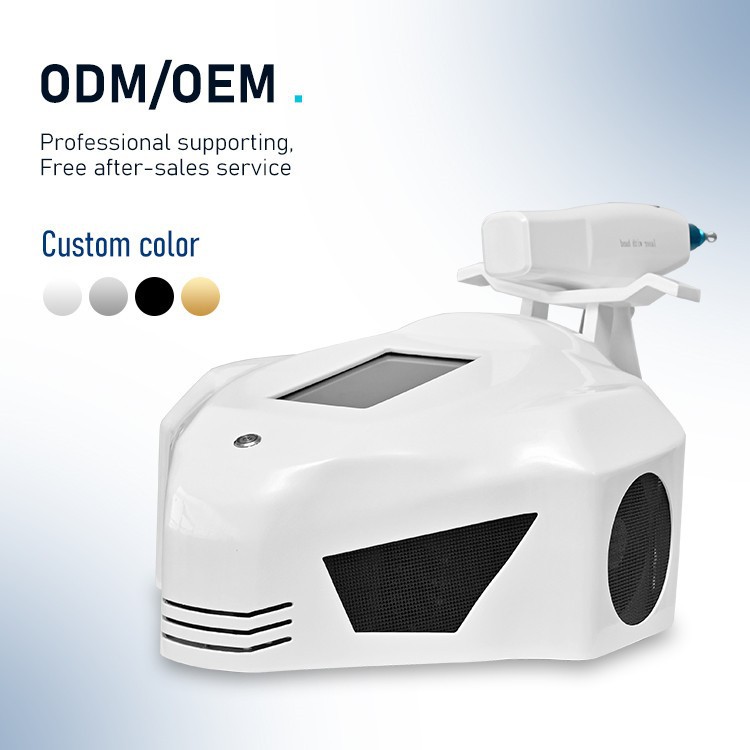

Factors Affecting Processing Accuracy on PCBs
1. Laser Beam Quality
The quality of the laser beam is a critical factor in determining the processing accuracy. A high-quality laser beam with a small spot size and a low divergence angle can achieve finer details and better edge quality during PCB processing. Our Nd:YAG Q-switch laser machines are equipped with advanced optical systems that ensure excellent beam quality, allowing for precise patterning and drilling on PCBs.
2. Pulse Energy and Frequency
The pulse energy and frequency of the laser play a significant role in the processing accuracy. Higher pulse energies can remove material more effectively, but they may also cause more thermal damage to the surrounding areas. On the other hand, lower pulse energies are suitable for more delicate processing tasks but may require more pulses to achieve the desired result. The frequency of the laser pulses affects the processing speed and the heat accumulation on the PCB. By carefully adjusting the pulse energy and frequency, we can optimize the processing accuracy for different PCB materials and applications.
3. Motion Control System
The motion control system of the laser machine is responsible for moving the laser beam accurately across the PCB surface. A high-precision motion control system with low backlash and high repeatability is essential for achieving consistent processing accuracy. Our Nd:YAG Q-switch laser machines are equipped with state-of-the-art motion control systems that can precisely position the laser beam with micron-level accuracy, ensuring reliable and accurate PCB processing.
4. Material Properties of PCBs
The material properties of PCBs, such as the type of substrate, the thickness of the copper layer, and the presence of surface coatings, can also affect the processing accuracy. Different PCB materials have different absorption coefficients for the laser wavelength, which means that the laser energy may be absorbed differently by the material. Additionally, the thermal conductivity and expansion coefficient of the PCB material can influence the heat distribution during processing, potentially leading to warping or delamination if not properly controlled. Our team of experts has extensive experience in processing various types of PCBs and can provide customized solutions to optimize the processing accuracy based on the specific material properties.
Capabilities of Nd:YAG Q-switch Laser Machines on PCBs
1. Patterning and Microvia Drilling
One of the primary applications of Nd:YAG Q-switch laser machines on PCBs is patterning and microvia drilling. The high-intensity, short-duration laser pulses can precisely remove the copper layer on the PCB surface to create fine patterns and circuits. Microvia drilling, which involves creating small holes with diameters ranging from a few micrometers to a few hundred micrometers, is also possible with our Nd:YAG Q-switch laser machines. The precise control of the laser beam and the high processing accuracy allow for the creation of high-density interconnects on PCBs, which are essential for modern electronic devices.
2. Deburring and Edge Trimming
Nd:YAG Q-switch laser machines can also be used for deburring and edge trimming of PCBs. After the PCB manufacturing process, there may be burrs or rough edges on the board, which can affect the performance and reliability of the electronic components. The laser can be used to remove these burrs and trim the edges of the PCB with high precision, resulting in a clean and smooth surface.
3. Marking and Identification
In addition to processing, Nd:YAG Q-switch laser machines can be used for marking and identification on PCBs. Laser marking provides a permanent and high-contrast mark on the PCB surface, which can be used for product identification, traceability, and anti-counterfeiting purposes. The high processing accuracy of our laser machines ensures that the marks are clear and legible, even on small PCB components.
Limitations and Challenges
While Nd:YAG Q-switch laser machines offer many advantages in PCB processing, there are also some limitations and challenges that need to be considered.
1. Thermal Damage
As mentioned earlier, the high-energy laser pulses can generate heat during processing, which may cause thermal damage to the PCB material. This can lead to issues such as charring, warping, or delamination of the PCB layers. To minimize thermal damage, we use advanced cooling systems and optimize the laser parameters to reduce the heat accumulation on the PCB surface.
2. Material Compatibility
Not all PCB materials are suitable for processing with Nd:YAG Q-switch lasers. Some materials may have low absorption coefficients for the laser wavelength, which means that the laser energy may not be effectively absorbed by the material. Additionally, some materials may be sensitive to the high-energy laser pulses and may require special processing techniques or pre-treatment to ensure good processing results.
3. Cost
Nd:YAG Q-switch laser machines are relatively expensive compared to some other PCB processing methods. The high cost of the laser source, the optical system, and the motion control system can make the initial investment significant. However, the high processing accuracy and the ability to achieve complex processing tasks can result in cost savings in the long run by reducing the need for secondary processing and improving the overall product quality.
Conclusion
In conclusion, the processing accuracy of an Nd:YAG Q-switch laser machine on PCBs is influenced by several factors, including the laser beam quality, pulse energy and frequency, motion control system, and material properties of the PCBs. Our Nd:YAG Q-switch laser machines offer high processing accuracy and can be used for a wide range of PCB processing applications, such as patterning, microvia drilling, deburring, edge trimming, and marking. While there are some limitations and challenges associated with this technology, our team of experts can provide customized solutions to overcome these issues and ensure optimal processing results.
If you are interested in learning more about our Nd:YAG Q-switch laser machines and their applications in PCB processing, or if you have any specific requirements for your PCB manufacturing process, please feel free to contact us for a consultation. We are committed to providing high-quality products and excellent customer service to meet your needs. You can also explore our other products, such as the ND YAG Q Switch Tattoo Removal Machine and the Q Switch Laser Laser Pigenment Removal Machine.
References
- Smith, J. (2018). Laser Processing of Printed Circuit Boards. Journal of Laser Applications, 30(2), 022001.
- Jones, A. (2019). Advances in Nd:YAG Laser Technology for Industrial Applications. Proceedings of the International Conference on Lasers and Electro-Optics, 45-52.
- Brown, C. (2020). Precision Manufacturing of PCBs Using Q-Switched Lasers. IEEE Transactions on Components, Packaging and Manufacturing Technology, 10(8), 1234-1242.