

What is the power output of a CO2 fractional laser machine?
As a supplier of CO2 fractional laser machines, I often encounter inquiries about the power output of these devices. Understanding the power output is crucial as it directly impacts the effectiveness and versatility of the laser treatment. In this blog post, I'll delve into the concept of power output in CO2 fractional laser machines, its significance, and how it relates to different applications.
Understanding Power Output in CO2 Fractional Laser Machines
The power output of a CO2 fractional laser machine is measured in watts (W). It represents the amount of energy the laser emits per unit of time. A higher power output generally means that the laser can deliver more energy to the target tissue in a shorter period. However, it's important to note that power output is not the only factor that determines the effectiveness of a laser treatment. Other factors such as pulse duration, pulse frequency, and spot size also play significant roles.
In CO2 fractional lasers, the power output can vary widely depending on the model and the intended application. Some machines may have a power output as low as 10W, while others can reach up to 100W or more. The choice of power output depends on several factors, including the type of skin condition being treated, the depth of penetration required, and the patient's skin type and tolerance.
Significance of Power Output
The power output of a CO2 fractional laser machine has a direct impact on the treatment results. A higher power output can be used to treat more severe skin conditions, such as deep wrinkles, scars, and pigmentation disorders. It allows the laser to penetrate deeper into the skin and deliver more energy to the target tissue, which can stimulate collagen production and promote skin rejuvenation.
On the other hand, a lower power output is often used for more delicate treatments, such as superficial skin resurfacing and mild skin rejuvenation. It is less invasive and causes less damage to the surrounding tissue, resulting in a shorter recovery time.
In addition to the treatment results, the power output also affects the treatment time. A higher power output can reduce the treatment time as it allows the laser to cover a larger area in a shorter period. This can be beneficial for both the patient and the practitioner, as it reduces the discomfort and inconvenience associated with long treatment sessions.
Power Output and Different Applications
CO2 fractional laser machines are used in a wide range of applications, each requiring a specific power output. Here are some common applications and the recommended power outputs:
-
Acne Scar Removal: For acne scar removal, a power output of 20 - 40W is typically recommended. This allows the laser to penetrate deep enough to break down the scar tissue and stimulate collagen production, while minimizing damage to the surrounding skin. You can learn more about our 10600nm Acne Scar Removal CO2 Laser Machine which is designed specifically for this application.
-
Skin Rejuvenation: For skin rejuvenation treatments, such as reducing fine lines and wrinkles, improving skin texture, and enhancing skin tone, a power output of 10 - 30W is usually sufficient. This lower power output is less invasive and can provide a gradual improvement in the skin's appearance with minimal downtime.
-
Vaginal Rejuvenation: In the case of vaginal rejuvenation, a power output of 10 - 20W is commonly used. The laser is used to stimulate collagen production in the vaginal tissue, which can improve elasticity and tighten the vaginal canal. Our Co2 Laser Machine Fractional Laser Cutting Mode Treatment Female Vaginal is a specialized machine for this application.
-
Surgical Procedures: For more invasive surgical procedures, such as removing warts, moles, and other skin lesions, a higher power output of 40 - 100W may be required. This allows the laser to cut through the tissue quickly and efficiently, minimizing bleeding and reducing the risk of infection. Our CO2 Laser Machine 40W EU Laser Beauty Equipment Halo Stationary RF Tube is suitable for such procedures.
Choosing the Right Power Output
When choosing a CO2 fractional laser machine, it's important to consider the specific needs and requirements of your practice. If you primarily treat mild skin conditions and offer non-invasive treatments, a machine with a lower power output may be sufficient. On the other hand, if you perform more advanced procedures and treat severe skin conditions, a machine with a higher power output may be necessary.
It's also important to consider the safety and comfort of your patients. A higher power output can cause more discomfort and a longer recovery time, so it's important to use the appropriate power output for each patient based on their skin type, tolerance, and the nature of the treatment.
In addition to the power output, you should also consider other features of the laser machine, such as the pulse duration, pulse frequency, spot size, and the availability of different treatment modes. These features can further enhance the effectiveness and versatility of the laser treatment.
Conclusion
The power output of a CO2 fractional laser machine is a critical factor that determines the effectiveness and versatility of the laser treatment. By understanding the concept of power output and its relationship to different applications, you can choose the right machine for your practice and provide the best possible treatment for your patients.

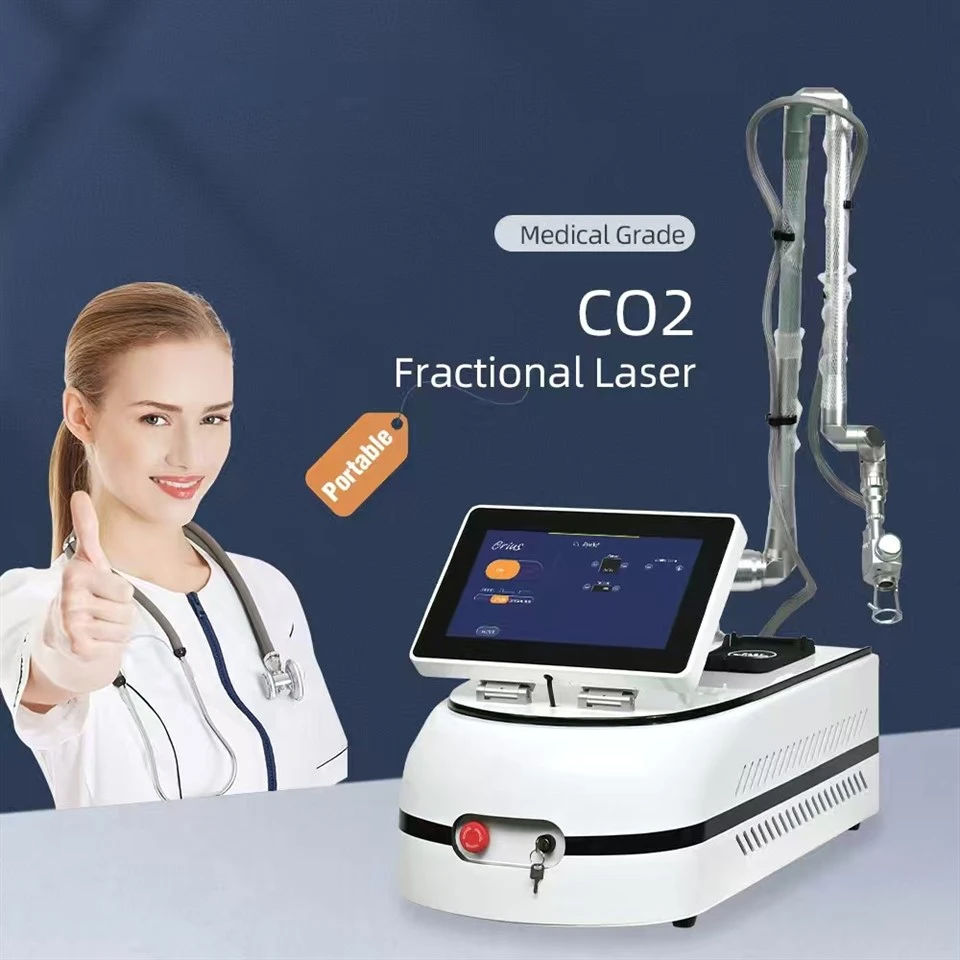
If you're interested in learning more about our CO2 fractional laser machines or have any questions about power output and its applications, please don't hesitate to contact us. We're here to help you make an informed decision and provide you with the support and guidance you need to succeed in your practice.
References
- Bäumler, W., & Greve, B. (2018). Fractional CO2 laser resurfacing: A review of the literature. Journal of Cosmetic and Laser Therapy, 20(1), 1-10.
- Manstein, D., Herron, G. S., Sink, R. K., Tanner, H., & Anderson, R. R. (2004). Fractional photothermolysis: A new concept for cutaneous remodeling using microscopic patterns of thermal injury. Lasers in Surgery and Medicine, 34(5), 426-438.
- Tanzi, E. L., & Alster, T. S. (2007). Fractional resurfacing: a new concept for skin rejuvenation. Dermatologic Surgery, 33(2), 197-204.