

Hey there! As a supplier of Nd:YAG Q-switch laser machines, I often get asked about the focal length range of the lenses used in these bad boys. So, I thought I'd take a few minutes to break it down for you and give you the lowdown on what you need to know.
First off, let's talk about what an Nd:YAG Q-switch laser machine is. These machines use a neodymium-doped yttrium aluminum garnet (Nd:YAG) crystal as the laser medium. The Q-switching technique is used to produce high-energy, short-duration laser pulses, which are great for a variety of applications, including tattoo removal, skin rejuvenation, and treating pigmented lesions.
Now, the focal length of a lens is the distance between the lens and the point where the light rays converge. In the context of an Nd:YAG Q-switch laser machine, the focal length of the lens determines the size and intensity of the laser spot on the target surface. A shorter focal length will result in a smaller, more intense laser spot, while a longer focal length will produce a larger, less intense spot.
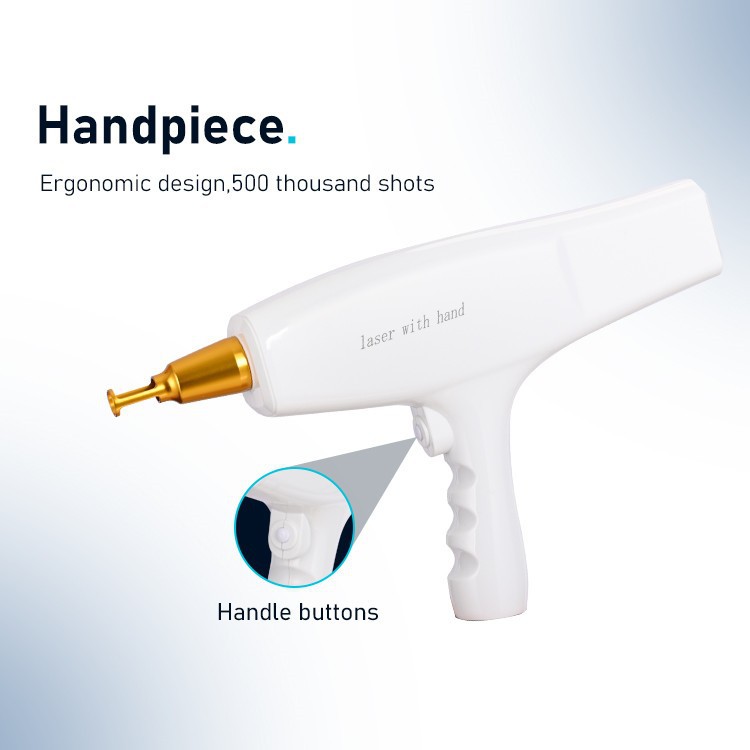
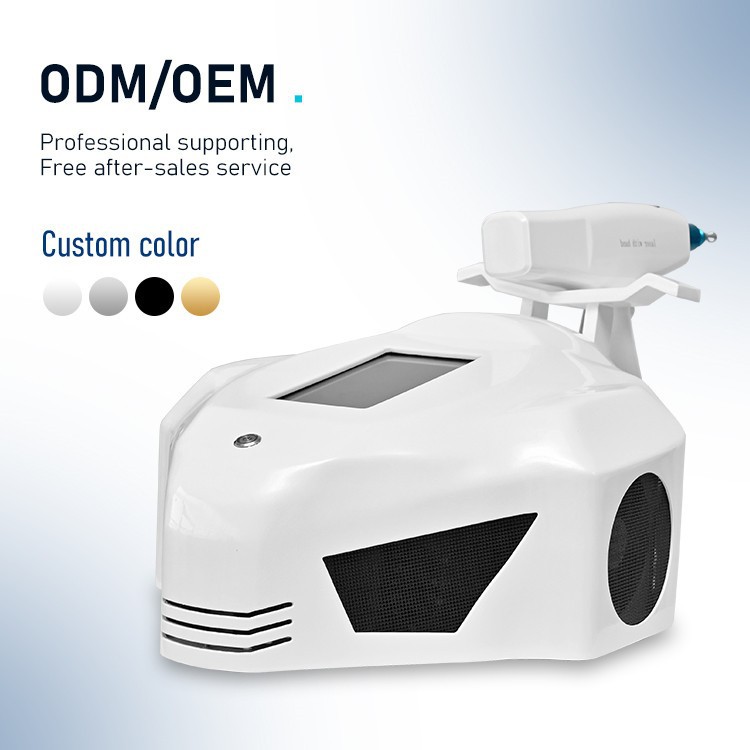
So, what's the typical focal length range for lenses used in Nd:YAG Q-switch laser machines? Well, it can vary depending on the specific application and the design of the machine. However, most machines use lenses with focal lengths ranging from around 50mm to 200mm.
For tattoo removal, a shorter focal length lens (around 50mm - 100mm) is often preferred. This allows for a more concentrated laser beam, which can effectively break down the tattoo ink particles without causing too much damage to the surrounding skin. The smaller spot size also means that the laser can target individual tattoo pigments more precisely, resulting in better overall results.
On the other hand, for skin rejuvenation and treating pigmented lesions, a longer focal length lens (around 100mm - 200mm) may be more suitable. This larger spot size can cover a wider area of the skin, making the treatment process faster and more efficient. It also helps to distribute the laser energy more evenly, reducing the risk of overheating and minimizing the chances of side effects.
It's important to note that the focal length of the lens is just one factor that affects the performance of an Nd:YAG Q-switch laser machine. Other factors, such as the laser wavelength, pulse duration, and energy output, also play a crucial role in determining the effectiveness and safety of the treatment.
When choosing an Nd:YAG Q-switch laser machine, it's essential to consider your specific needs and requirements. If you're primarily focused on tattoo removal, you'll want to look for a machine with a shorter focal length lens and a high-energy output. If you're more interested in skin rejuvenation and treating pigmented lesions, a machine with a longer focal length lens and a more adjustable energy setting may be a better fit.
At our company, we offer a range of Nd:YAG Q-switch laser machines to suit different applications and budgets. Our Q Switched Portable Nd Yag Laser Removable Tattoo Machine is a popular choice for tattoo removal clinics, thanks to its compact design, high-energy output, and precise targeting capabilities. For those looking for a more versatile machine, our ND YAG Q Switch Tattoo Removal Machine and Q-SWITCH ND YAG Laser Machine Tattoo Removal offer a wider range of focal length options and adjustable settings, making them suitable for both tattoo removal and skin rejuvenation treatments.
If you're in the market for an Nd:YAG Q-switch laser machine, I'd love to hear from you. We can provide you with more information about our products, answer any questions you may have, and help you find the perfect machine for your needs. Just reach out to us, and we'll be happy to assist you.
In conclusion, the focal length range of lenses for an Nd:YAG Q-switch laser machine typically falls between 50mm and 200mm, with shorter focal lengths being better for tattoo removal and longer focal lengths being more suitable for skin rejuvenation and treating pigmented lesions. By understanding the role of focal length and choosing the right machine for your specific application, you can ensure that you get the best possible results from your laser treatments.
References:
- Laser Physics and Technology by Peter W. Milonni and Joseph H. Eberly
- Handbook of Laser Medicine and Surgery by James G. Verhulst and Mark S. Nestor