

As a supplier of long pulse Nd YAG machines, I understand the growing interest in using these devices at home. Long pulse Nd YAG machines offer various benefits, such as treating skin pigmentation and removing unwanted hair. However, ensuring safety during home use is of utmost importance. In this blog, I will share some key tips on how to ensure the safe operation of a long pulse Nd YAG machine at home.
1. Understand the Technology and Its Risks
Before using a long pulse Nd YAG machine, it is crucial to have a basic understanding of how it works. The long pulse Nd YAG laser emits light at a specific wavelength (usually 1064nm or 532nm), which is absorbed by targeted chromophores in the skin, such as melanin in hair follicles or pigmented lesions. This absorption leads to the destruction of the target without significantly damaging the surrounding tissue.
However, improper use of the machine can pose several risks. These include skin burns, blistering, pigmentation changes, and in severe cases, scarring. It is essential to recognize that the laser energy can be harmful if not used correctly, and users should always be aware of these potential risks.
2. Read the User Manual Thoroughly
The user manual provided with the long pulse Nd YAG machine is a valuable resource that contains detailed instructions on how to operate the device safely. It includes information on setting the appropriate parameters, such as pulse duration, energy level, and spot size, based on the treatment area and skin type.
Before starting any treatment, take the time to read the manual carefully and familiarize yourself with all the safety precautions. Make sure you understand how to turn the machine on and off, how to adjust the settings, and what to do in case of an emergency. If you have any questions or are unsure about any aspect of the manual, contact the manufacturer or supplier for clarification.
3. Conduct a Skin Test
Before performing a full treatment, it is recommended to conduct a skin test on a small, inconspicuous area of the skin, such as behind the ear or on the inner forearm. This test will help you determine how your skin reacts to the laser and whether you are likely to experience any adverse effects.
To perform a skin test, follow these steps:
- Clean the test area with mild soap and water and pat it dry.
- Set the machine to the lowest recommended energy level and pulse duration.
- Apply a thin layer of cooling gel to the test area to protect the skin and improve the effectiveness of the treatment.
- Activate the laser and deliver a single pulse to the test area.
- Observe the skin for any immediate reactions, such as redness, swelling, or pain. If you experience any discomfort or adverse reactions, stop the test immediately and consult a healthcare professional.
- Wait at least 24 hours to see if there are any delayed reactions, such as blistering or pigmentation changes. If the test area looks normal after 24 hours, it is generally safe to proceed with the full treatment.
4. Choose the Right Settings
One of the most important factors in ensuring the safety of using a long pulse Nd YAG machine at home is choosing the right settings for your skin type and the treatment area. The appropriate settings will depend on several factors, including your skin tone, the thickness of the hair or pigmented lesion, and the sensitivity of your skin.
- Skin Type: Different skin types have different levels of melanin, which affects how the skin absorbs the laser energy. Generally, lighter skin types (Fitzpatrick skin types I - III) can tolerate higher energy levels than darker skin types (Fitzpatrick skin types IV - VI). It is important to choose settings that are appropriate for your skin type to avoid overexposure and potential damage.
- Treatment Area: The thickness and density of the hair or pigmented lesion also play a role in determining the appropriate settings. For example, thicker hair or larger pigmented lesions may require higher energy levels and longer pulse durations. However, it is important to start with the lowest recommended settings and gradually increase them as needed to minimize the risk of side effects.
- Sensitivity of the Skin: Some areas of the skin are more sensitive than others, such as the face, neck, and bikini area. When treating these sensitive areas, it is important to use lower energy levels and shorter pulse durations to avoid discomfort and damage to the skin.
5. Use Protective Gear
When using a long pulse Nd YAG machine, it is essential to wear appropriate protective gear to protect your eyes and skin from the laser energy.
- Eye Protection: The laser light emitted by the long pulse Nd YAG machine can be extremely harmful to the eyes. Always wear laser safety goggles that are specifically designed for use with Nd YAG lasers to protect your eyes from the direct and reflected laser beams. Make sure the goggles fit properly and cover your eyes completely.
- Skin Protection: In addition to wearing eye protection, it is also important to protect your skin from the laser energy. Apply a thin layer of cooling gel to the treatment area before each treatment to help dissipate the heat and reduce the risk of skin burns. The cooling gel also helps to improve the effectiveness of the treatment by allowing the laser energy to penetrate the skin more easily.
6. Follow the Treatment Schedule
To achieve the best results and minimize the risk of side effects, it is important to follow the recommended treatment schedule. Long pulse Nd YAG treatments are typically performed in a series of sessions, spaced several weeks apart. This allows the skin to recover between treatments and gives the body time to eliminate the damaged hair follicles or pigmented lesions.
Do not try to speed up the treatment process by increasing the frequency or intensity of the treatments. Over-treating the skin can lead to increased risk of side effects, such as skin burns, blistering, and pigmentation changes. Stick to the recommended treatment schedule and be patient – you will see gradual improvements in your skin over time.
7. Maintain and Clean the Machine Regularly
Proper maintenance and cleaning of the long pulse Nd YAG machine are essential to ensure its safe and effective operation. Follow the manufacturer's instructions for cleaning and maintaining the machine, and make sure to perform regular inspections to check for any signs of damage or wear.
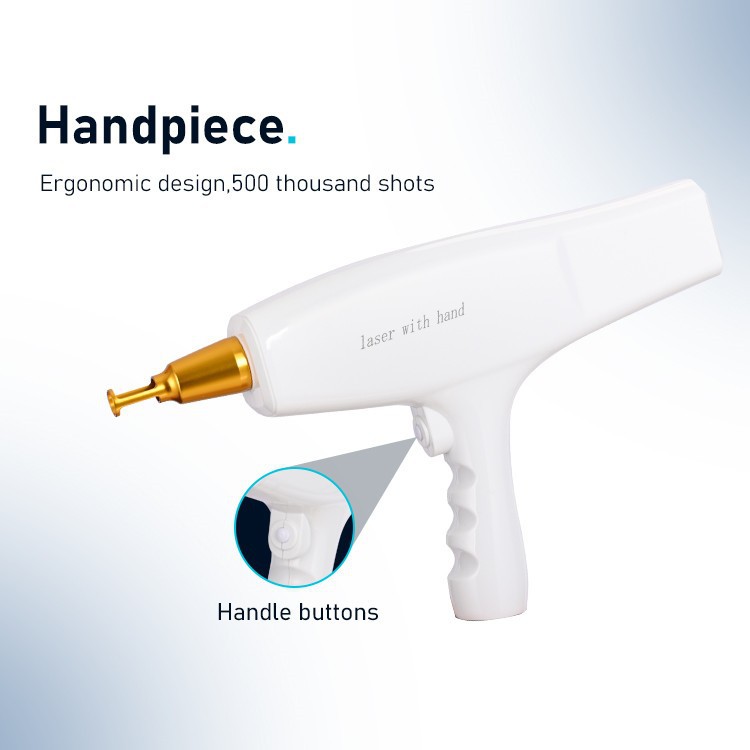
- Cleaning: After each use, clean the treatment handpiece and the machine's surface with a mild, non-abrasive cleaner and a soft cloth. Make sure to remove any cooling gel, debris, or residue from the handpiece to prevent clogging and ensure optimal performance.
- Calibration: Periodically calibrate the machine according to the manufacturer's instructions to ensure that it is delivering the correct energy levels and pulse durations. This will help to ensure the safety and effectiveness of the treatments.
- Storage: When not in use, store the machine in a cool, dry place away from direct sunlight and moisture. Make sure to unplug the machine from the power source and cover it with a protective case to prevent damage.
8. Seek Professional Advice if Needed
If you have any concerns or questions about using a long pulse Nd YAG machine at home, or if you experience any adverse reactions during or after a treatment, do not hesitate to seek professional advice. Consult a dermatologist or a qualified healthcare professional who has experience with laser treatments for guidance and support.
In conclusion, using a long pulse Nd YAG machine at home can be a safe and effective way to treat skin pigmentation and remove unwanted hair, as long as you follow the proper safety precautions. By understanding the technology, reading the user manual, conducting a skin test, choosing the right settings, using protective gear, following the treatment schedule, maintaining and cleaning the machine regularly, and seeking professional advice when needed, you can minimize the risk of side effects and achieve the best possible results.
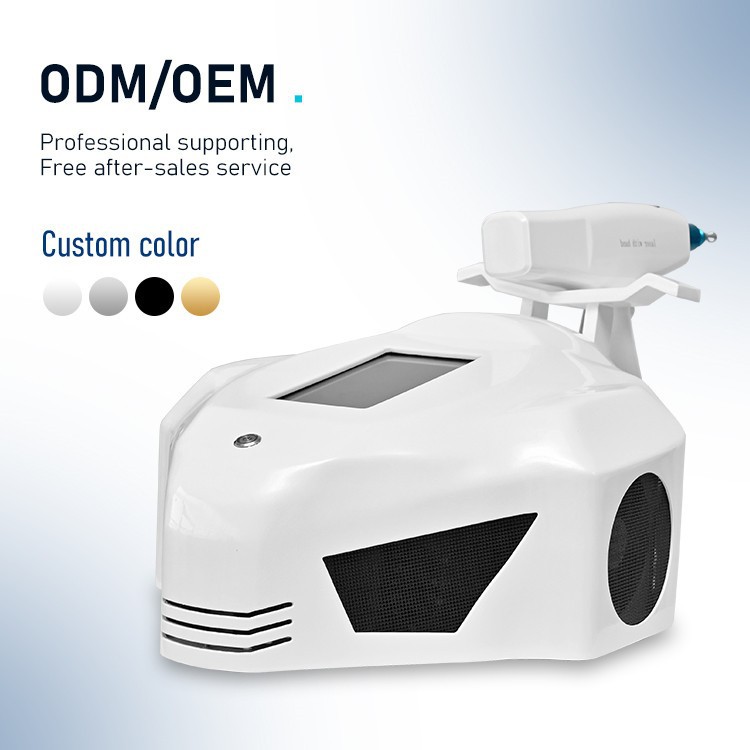
If you are interested in purchasing a long pulse Nd YAG machine, we offer a range of high-quality devices, including the ND YAG Q Switch Tattoo Removal Machine and the Q Switch Laser Laser Pigenment Removal Machine. Our machines are designed to meet the highest standards of safety and performance, and we provide comprehensive support and training to ensure that you can use them safely and effectively. Contact us today to learn more about our products and to discuss your specific needs.
References
- Bäumler, W., & Bäumler, W. (2019). Laser and IPL Treatment in Dermatology: An Evidence-Based Approach. Thieme Medical Publishers.
- Goldman, M. P., & Weiss, R. A. (2017). Cutaneous Laser Surgery: The Basics. Elsevier Health Sciences.
- Tanzi, E. L., & Alster, T. S. (2007). Complications of laser dermatologic surgery. Clinics in Dermatology, 25(3), 215 - 222.