

Hey there! As a supplier of diode lasers with wavelengths of 755nm, 808nm, and 1064nm, I often get asked if the 1064nm diode laser can be used for vascular lesion treatment. Well, let's dive right into this topic and find out!
First off, let's understand what vascular lesions are. Vascular lesions are abnormal blood vessels that can appear on the skin or other parts of the body. They can range from small, harmless birthmarks to more serious conditions like port - wine stains or hemangiomas. Treating these lesions usually involves targeting the blood vessels with a laser to destroy them without causing too much damage to the surrounding tissue.
Now, let's talk about the 1064nm diode laser. The 1064nm wavelength is in the near - infrared range. One of the big advantages of this wavelength is its relatively deep penetration into the skin. Compared to shorter wavelengths, like 755nm or 808nm, the 1064nm laser can reach deeper layers of the skin. This is crucial when dealing with vascular lesions that are located deeper beneath the skin surface.
The hemoglobin in the blood is the main target in vascular lesion treatment. Hemoglobin absorbs light at specific wavelengths, and the 1064nm wavelength is absorbed by hemoglobin to a reasonable extent. When the 1064nm laser is used, the energy from the laser is absorbed by the hemoglobin in the blood vessels of the vascular lesion. This causes the blood vessels to heat up and eventually collapse, leading to the shrinkage or disappearance of the lesion.
But it's not all sunshine and rainbows. There are some challenges when using the 1064nm diode laser for vascular lesion treatment. One of the main issues is the potential for side effects. Since the laser can penetrate deeply, there is a risk of overheating the surrounding tissue, which can lead to burns, scarring, or pigmentation changes. To minimize these risks, proper cooling systems are essential. Most modern 1064nm diode laser machines come with advanced cooling mechanisms, such as contact cooling or cryogen spray cooling, to protect the skin surface while the laser is working.
Another factor to consider is the type and size of the vascular lesion. Smaller, superficial vascular lesions may be more effectively treated with shorter - wavelength lasers. For example, the 755nm laser is often used for treating spider veins and some types of small capillary lesions on the surface of the skin because it has a high absorption by hemoglobin at the skin surface. On the other hand, larger or deeper - seated vascular lesions, like some types of hemangiomas, are more likely to respond better to the 1064nm laser due to its deeper penetration.
Let's compare the 1064nm laser with our other offerings, the 755nm and 808nm diode lasers. The 755nm Diode Laser Hair Removal Machine Professional 3 Wave is great for treating superficial skin conditions and is also popular for hair removal. The 808nm laser, as seen in our 808 nm Diode Laser Hair Removal Machine, has good absorption by melanin in hair follicles, making it a top - choice for hair removal. However, when it comes to vascular lesion treatment, the 1064nm laser has an edge for deeper lesions.
In terms of the power of the laser, our 1600W 2000W Diode Laser Hair Removal Machine offers different power options. Higher power can be beneficial for treating larger or more stubborn vascular lesions, but again, it needs to be carefully controlled to avoid side effects.
When using the 1064nm diode laser for vascular lesion treatment, the treatment protocol is also very important. The number of treatment sessions, the energy settings, and the interval between sessions all need to be carefully planned. Usually, multiple treatment sessions are required to achieve the best results. The energy settings need to be adjusted based on the patient's skin type, the size and depth of the lesion, and the response to previous treatments.
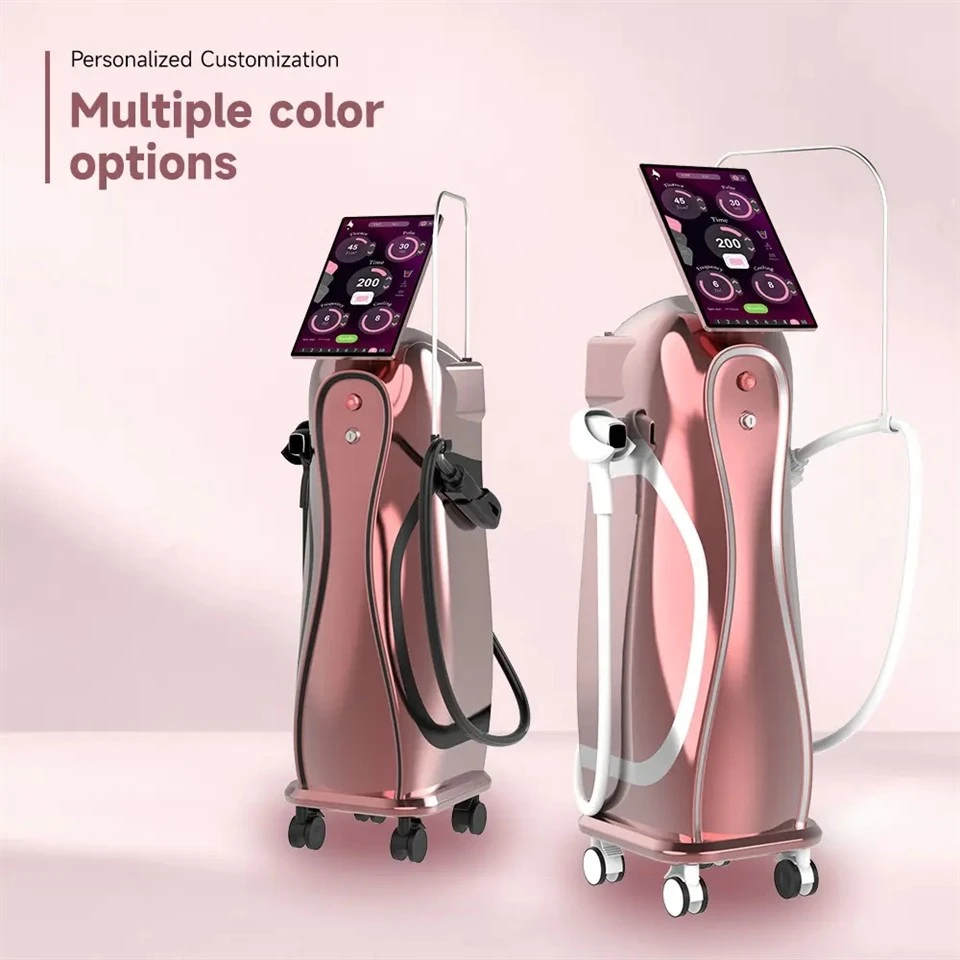

So, can the 1064nm diode laser be used for vascular lesion treatment? The answer is yes! It has the potential to be a very effective tool, especially for deeper - seated vascular lesions. But it requires careful consideration of the patient's condition, proper use of cooling systems, and a well - thought - out treatment protocol.
If you're in the market for a reliable diode laser for vascular lesion treatment or other applications, we've got you covered. Our range of 755nm, 808nm, and 1064nm diode lasers is designed with the latest technology and safety features. Whether you're a dermatologist, a beauty clinic owner, or someone interested in laser - based treatments, we can provide you with the right equipment.
If you're interested in learning more or discussing a potential purchase, don't hesitate to reach out. We're here to help you make the best decision for your needs and get the most out of your laser treatment equipment.
References:
- Goldman, M. P., & Fitzpatrick, R. E. (2002). Cutaneous Laser Surgery: Lasers, light sources, and related technologies. Mosby.
- Tanzi, E. L., & Alster, T. S. (2004). Laser treatment of leg veins. Dermatologic Surgery, 30(1), 322 - 328.
- Weiss, R. A., & Weiss, M. A. (2008). Cutaneous laser surgery: Lasers, light sources, and related technologies. Elsevier Health Sciences.